|
|||
 |
 |
 |
 |
|
|||
|
|
|
|
 |
 |
|
|
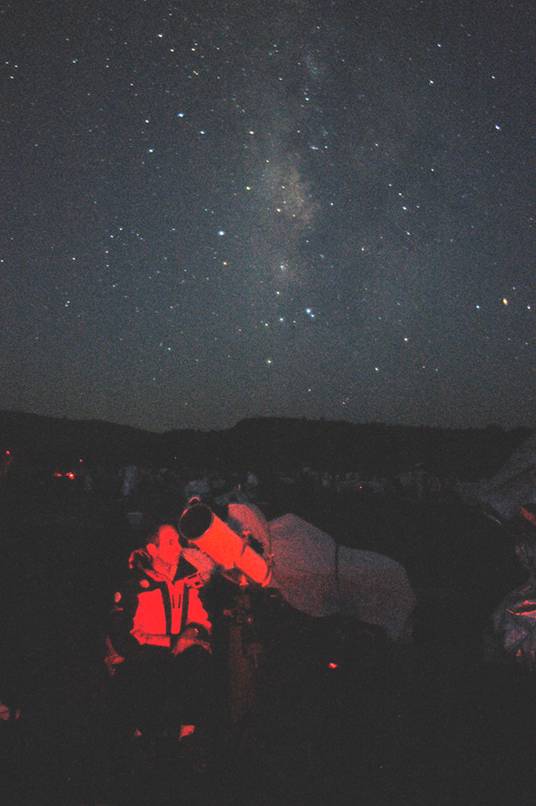
Figure 8. David Levy and Sagittarius. Ten second exposure, ISO 1000, 28 mm f/2 lens. T. Hunter.
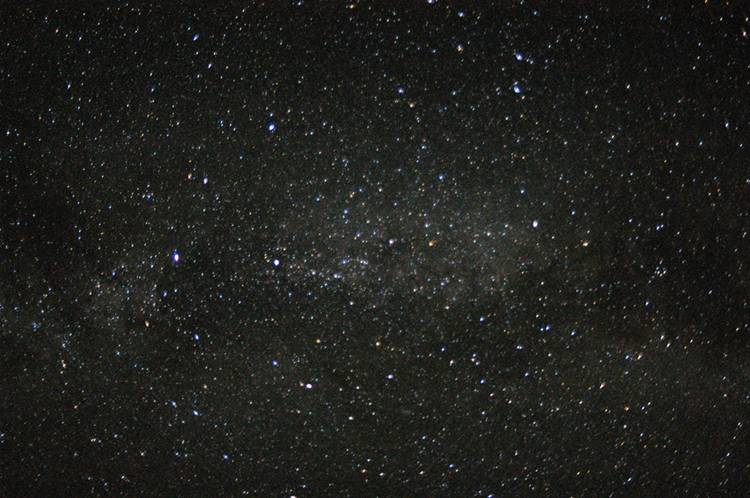
Figure 9. Cygnus. Ten second exposure, ISO 1000, 28 mm f/2 lens. T. Hunter.
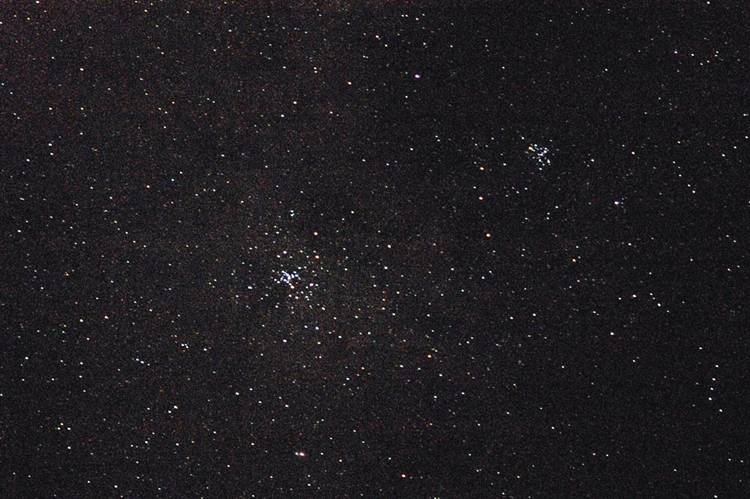
Figure 10. M6 and M7. Seven second exposure, ISO 1000, 135 mm f/3.5 lens. T. Hunter.
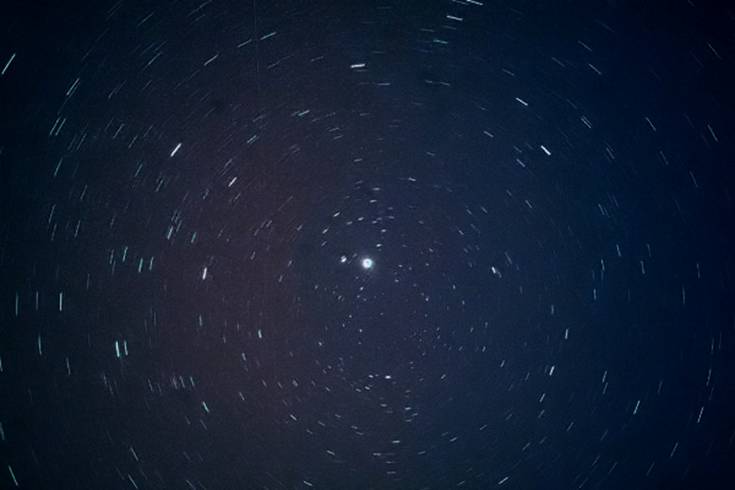
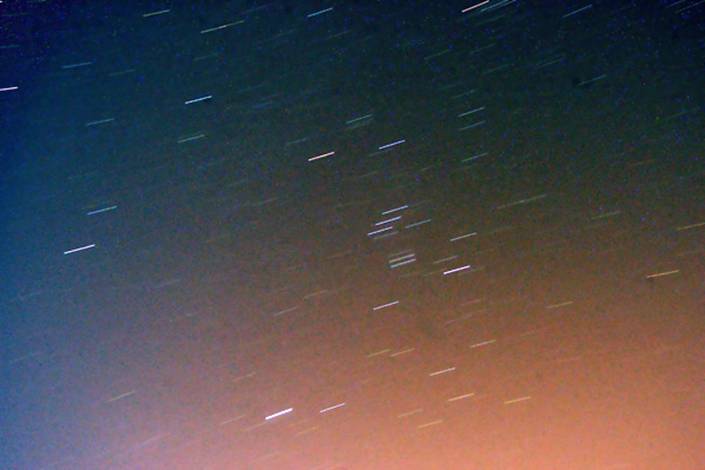
III. Star Trails with a Digital Camera; Geosynchronous Satellites A. Star Trails Star trail photography is simple and easy with film. On a Moonless night at dark site where sky glow from light pollution is not a problem, multi-hour exposures with a simple camera mounted on a tripod can produce dramatic star trail images. Unfortunately, digital cameras can not easily compete with film photography in this regard. The exposure length for digital cameras is limited to a few minutes, because they are not cooled, and they accumulate thermal noise which degrades their images (Schedler, 2004; Michaud, 2004). In addition, long exposures drain the batteries in a digital camera, and repeated short exposures may produce images that are gradually degraded from increasing noise. Short exposure star trails with digital SLR cameras, however, are easy to make even in light polluted conditions (figures 11-12):
Figure 11. Polaris and the North Pole from Tucson, Arizona. Ten minute exposure with 135 mm f/3.5 lens, ISO 400. The image was processed to remove red sky glow from light pollution. T. Hunter.
Figure 12. Orion above the sky glow of Tucson, Arizona. Eleven minute exposure with 17 mm f/4 lens, ISO 400. T. Hunter.
|Back | |Next|
|
||
 |
|||
Copyright © 2013 The Grasslands Observatory. All rights reserved. |
|||